Canada’s meeting place for freelance writers and creators
Established 2010
Canada’s meeting place for freelance writers and creators
Established 2010


[caption id="attachment_7539" align="alignright" width="267"]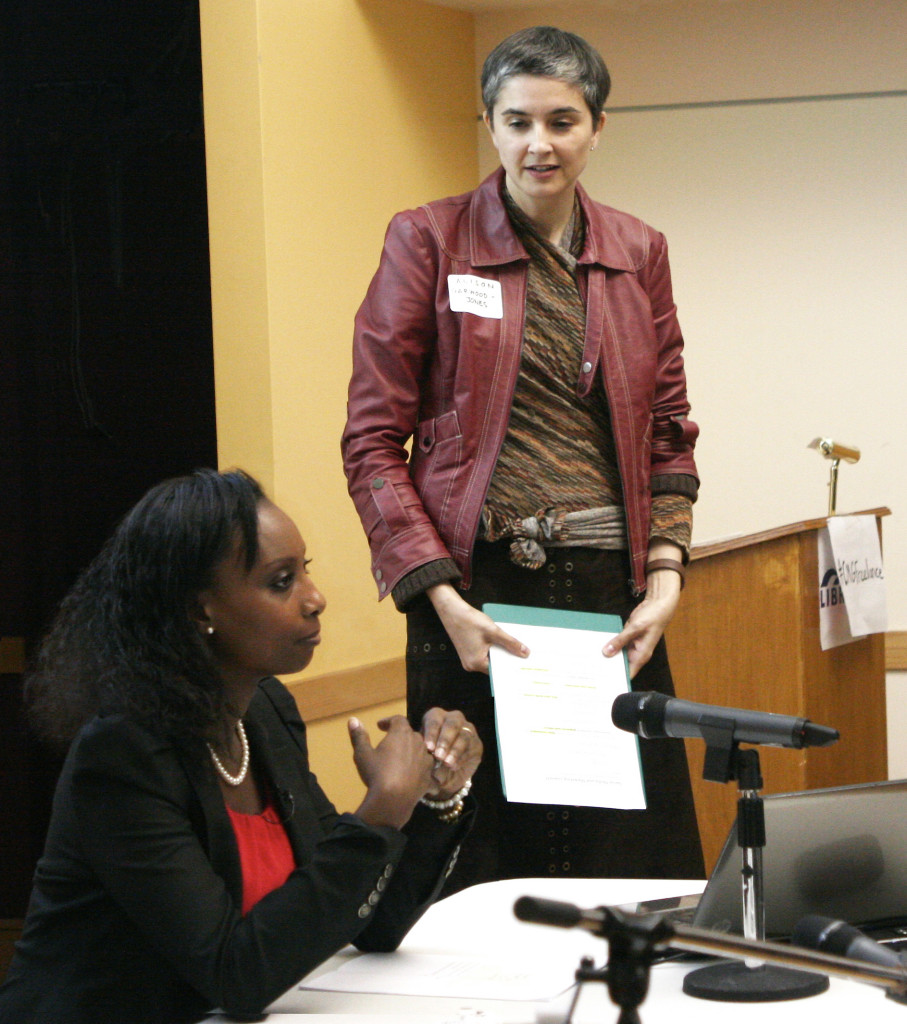 Karima-Catherine Goundiam and Alison Garwood-Jones at the CMG's Freelance Survival Seminar[/caption]
The Internet changed things in a big way for publishers. Magazines and newspapers are still struggling to adapt to the evolving publishing landscape. Freelancers, meanwhile, have a whole array of new tools at their disposal. The social media session at last month's CMG Freelance Survival Series gave an overview of the best platforms for freelancers and offered plenty of advice on how writers can use social media to draw attention to their skills and work.
Toronto freelance writer and blogger Alison Garwood-Jones says the trick with social media is to "control the beast." Instead of always pushing to increase her followers and connections, she spends most of her energy creating great content. Her goal, she says, is not to become the next social media phenom but to use social media to get her content out there.
Find the social media platforms that work best for you, said Garwood-Jones, and use them to craft your professional image.
Some tips:
• Make sure you have a landing page where people can find out who you are and what you’ve done. If your website has a blog component, use it to write what you want to be known for. Write about topics you might not be getting assignments in yet but want to. A blog is a place to showcase your writing voice. It can attract editors and new clients. • Although a lot of freelance writers don’t see the point of LinkedIn, Garwood-Jones finds it an excellent place to showcase her history. Recommendations from editors she's worked with build instant trust with new editors. Be careful, though: LinkedIn makes you feel like you have to spill all the beans, but make sure you keep control. Highlight your experience in the areas you want to be known for.
• Good content gets found eventually, so just work and wait. Crafting good blog posts is about hard work. Garwood-Jones spends 90% of her work time writing good content. The rest of the time she spends promoting her blog and her published work on social media. While her work is on the newsstand, she posts links to the online version. Once it’s off the newsstand (with her editors’ permission) she posts the whole article on various social platforms.
• Garwood-Jones is less concerned about platforms like Klout and Kred and is more interested in what Google Analytics tells her about what topics bring traffic to her blog. In her view, you can have a good blog with very few followers. If you’ve got a few good followers, that’s what matters.
• Social media can be invaluable for finding story ideas and sources, but journalists need to beware. “We’re not pounding the pavement or vetting sources as much as we used to,” she says. The demands of journalism mean that writers are more overworked than ever before and are vulnerable to misinformation. It’s important not to get lazy. Vet your sources properly. “A lot of our mistakes are going viral.”
Digital and social media consultant Karima-Catherine Goundiam brought a corporate perspective to the discussion. Goundiam says it's important for journalists to focus on building trust and interest-based relationships.
• As a professional, make sure you’re on the right platforms to do what you need to do. Choose the platforms that best fit your business. If Facebook is where you get the most response, run with that. Facebook is a more interactive, intimate setting to talk about ourselves and our businesses.
• If you want to be found, Goundiam says you need to be on Google+. Because it's a Google platform, Google+ is important from a page ranking perspective. Google+ hangouts is also increasing in use.
• When you're trying to craft your social media profile, decide what you want to be known for. Figure out what your end goal is and then work back from there when you're creating your online profile. Avoidance is not the way to approach social media – people will find you regardless. You should take control and set the tone.
Both Goundiam and Garwood-Jones emphasized the usefulness of social media as a way of finding work. A well-crafted social media presence can attract work and new clients.
For more of Goundiam’s social media advice, check out the Power Point presentation that she used at the session.
Next week in Vancouver, social media and marketing strategist Rebecca Coleman will be offering more social media advice for freelancers. If you're in Vancouver and haven’t registered for that event yet, there are still seats available. Check out this post for more details and to reserve a spot.


June 14, 2013 Editor
July 18, 2011 Editor